
Skip to content

Technical service

From the signal to thetechnical diagnosis.

From the initial request to the technical check: we collect the system data, analyse symptoms and error codes and route the case to the checks and expertise it requires.

Describe the problem
  1. 01Customer requestRequest opened
  2. 02System identificationModel and configuration
  3. 03Symptoms and error codesSignals collected
  4. 04Technical checkHypotheses and checks
  5. 05AI supportSymptoms and history correlated
  6. 06Engineer assignedAssigned by expertise
  7. 07ResolutionIntervention and documentation

AI tools support the technical analysis: assessment and responsibility remain with the engineer.

  • Request assessmentSystem, symptoms and codes collected before the intervention.
  • Specialist engineersSpecific expertise on MRI, CT and instruments.
  • Instrument-based checksMeasurements and checks carried out with dedicated instruments, according to the system and the fault observed.
  • Operational continuityWork organised to reduce equipment downtime.

01Low-field MRI

Low-field magnetic resonance

Technical expertise dedicated to low-field systems.

We work on the electronics, acquisition chain and the subsystems that affect image quality in low-field MRI systems. Checks start from the symptom and any artefacts observed, with verification of the magnetic field, the RF chain and the components involved in signal generation and acquisition.

  • Service for low-field systems
  • Technical artefact analysis and verification of the conditions that affect image quality
  • Magnetic field and acquisition chain checks
  • On-site work and laboratory support
Esaote S-scan Open low-field open magnetic resonance system with patient table, front view.

Esaote S-scan OpenOpen low-field MRI system

Image 1 of 4

02High-field MRI

High-field magnetic resonance

Technical diagnostics and service on the main high-field MRI systems.

We carry out checks on the electronics, RF chain, gradients, acquisition chain and related subsystems. The technical analysis of artefacts and anomalies may include checks on the magnetic field, on the acquired signals and on the technical parameters relevant to fault diagnosis.

  • Service for different high-field MRI configurations
  • RF, gradient and acquisition chain checks
  • Technical artefact analysis and verification of the factors that affect image quality
  • Magnetic field checks and specialist support
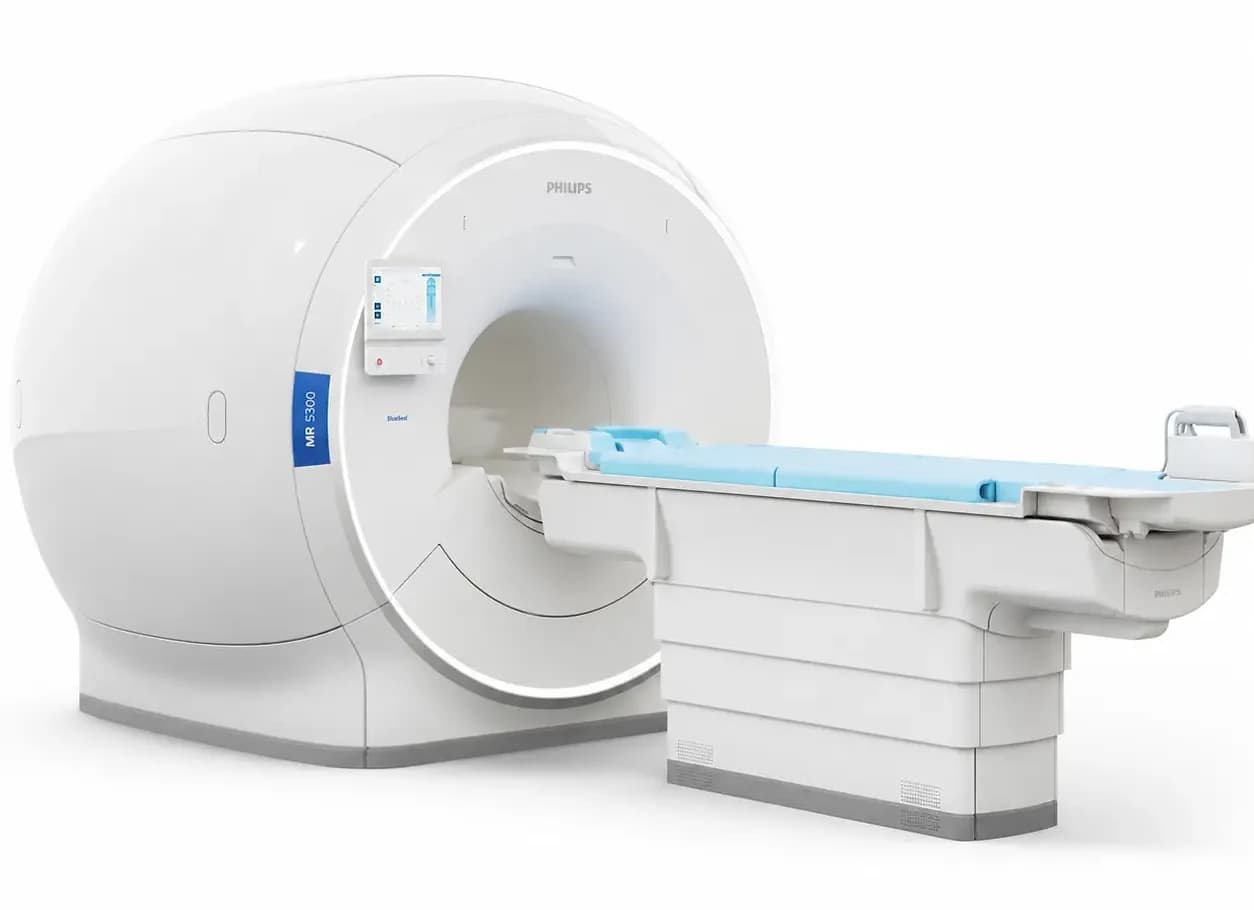
Philips MR 5300 helium-free high-field magnetic resonance system with sealed magnet and patient table.

Philips MR 5300Helium-free high-field MRI system

Image 1 of 6

03CT diagnostics

Computed tomography

Technical diagnostics and service on the main subsystems of computed tomography.

Technical service for computed tomography systems: gantry, detectors, electronics, acquisition chain and image reconstruction subsystems. Instrument-based checks, on site and in the laboratory, are aimed at locating faults, analysing artefacts and restoring correct system operation.

  • Service for gantry, detectors and acquisition chain
  • Diagnostics on electronics, acquisition chain and image reconstruction subsystems
  • Technical artefact analysis and image quality verification
  • On-site work and laboratory repairs
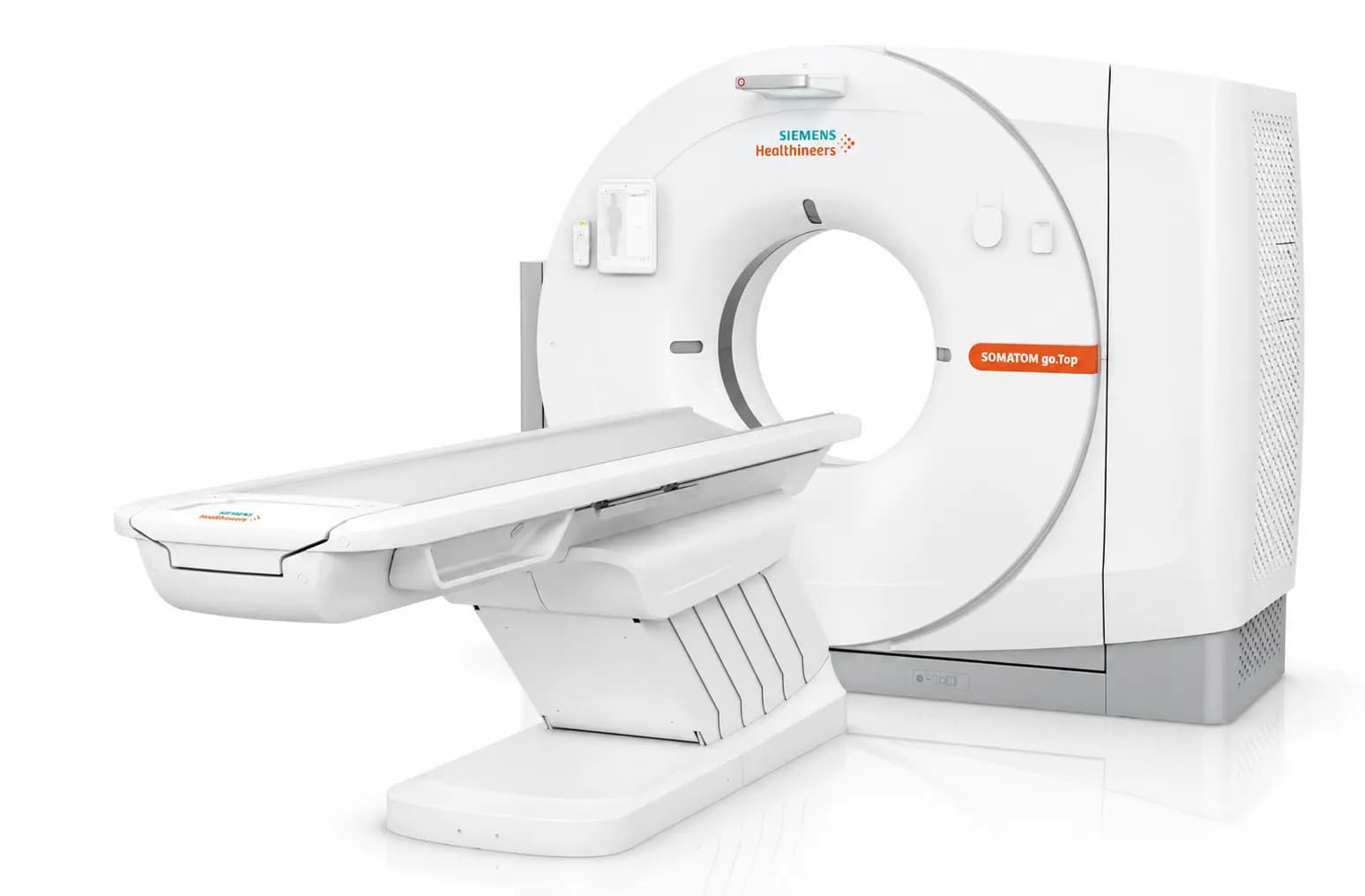
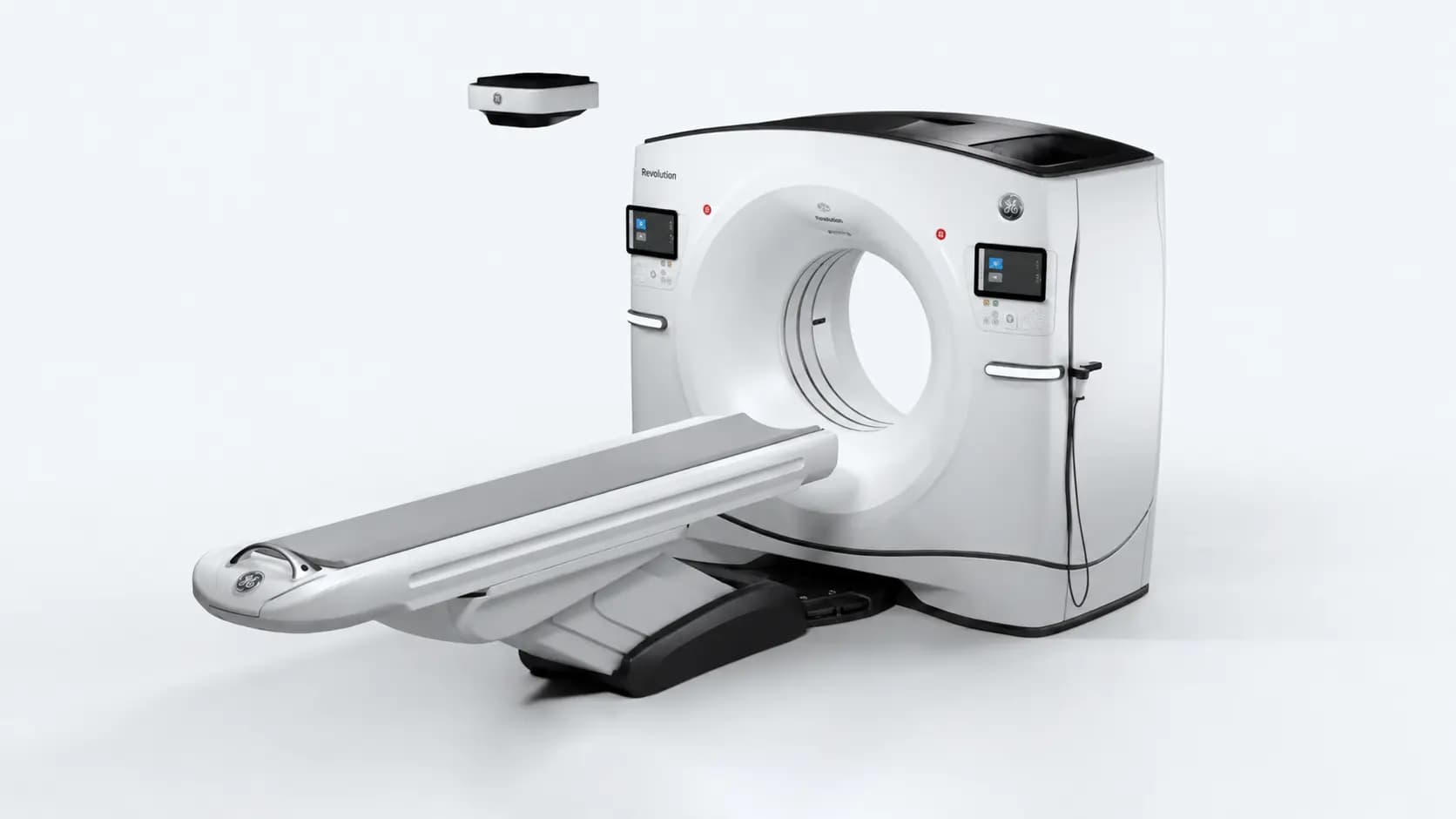
Computed tomography scanner with ring gantry and patient table, front view.

Siemens SOMATOM go.TopComputed tomography scanner

Image 1 of 7

04Instruments and laboratory

Instrument diagnostics and electronics laboratory

Measurements, analysis and repairs with dedicated instruments.

Troubleshooting does not stop at swapping a module. Electrical measurements, signal analysis, board inspection and bench work make it possible to verify how components behave and pinpoint the origin of the fault more precisely.

Handheld oscilloscope on an electronics laboratory bench, with waveforms on screen and test leads in the foreground.

01 / 07

Signal analysis

Oscilloscope and electrical measurements for troubleshooting.

Observing waveforms makes it possible to verify power supplies, signals and the dynamic behaviour of circuits during diagnosis.

  • Waveforms and voltage levels
  • Continuity and signal integrity
  • Comparison with expected behaviour

Slide 1 of 7

Service request

Describe the problem.We start from the signals.

Model, location, reported symptom and error code, when available, are what make it possible to frame the request.