
Specialist technical service
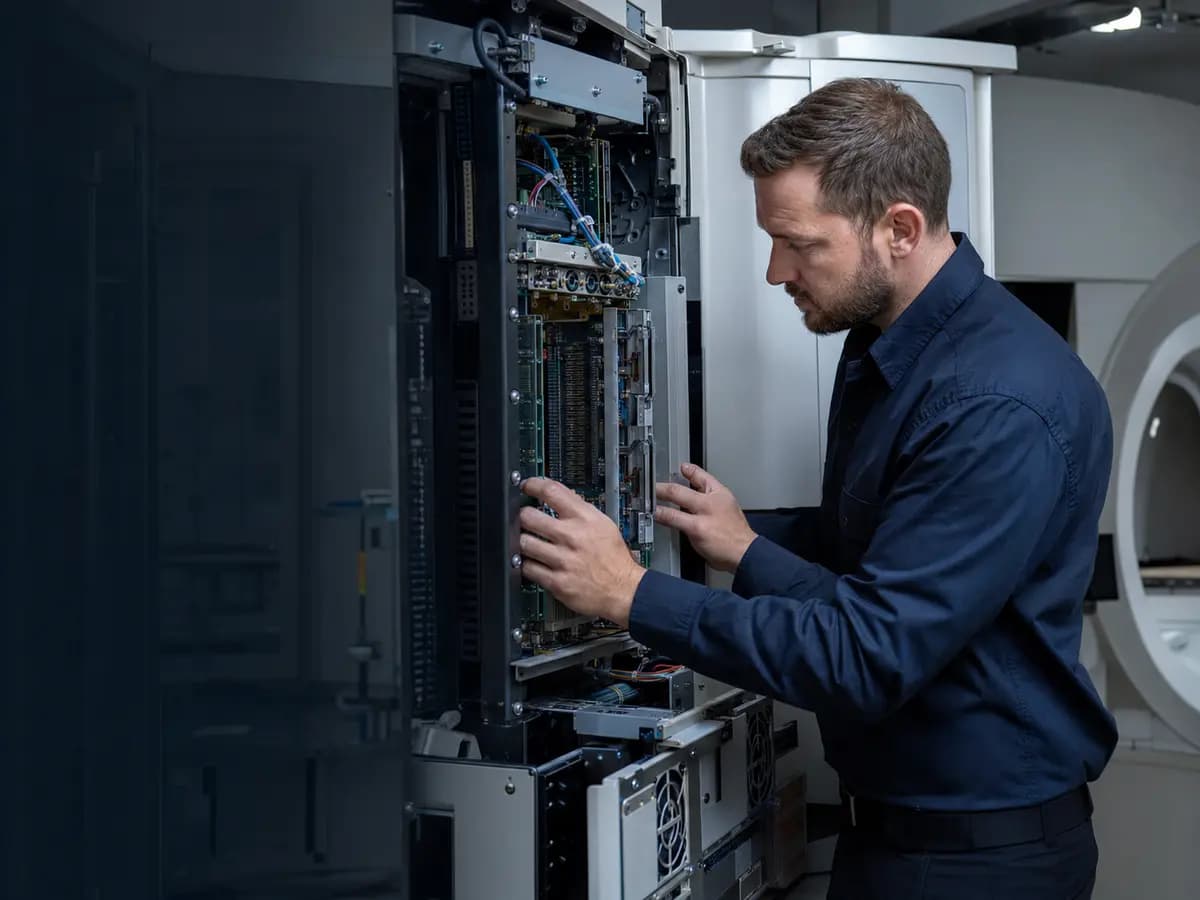
Specialist interventions, maintenance and fault-diagnosis support on diagnostic imaging systems.
HEALTHCARE TECHNOLOGY • SOFTWARE • DIGITAL
Technical service and consulting for diagnostic imaging, supported by proprietary software and digital tools designed to bring more structure to analysis, traceability and the management of technical activities.
Technology supports the engineer. Experience drives every decision.
Capabilities
Technical service, laboratory, consulting and proprietary software within a single operating structure.
Specialist interventions, maintenance and fault-diagnosis support on diagnostic imaging systems.
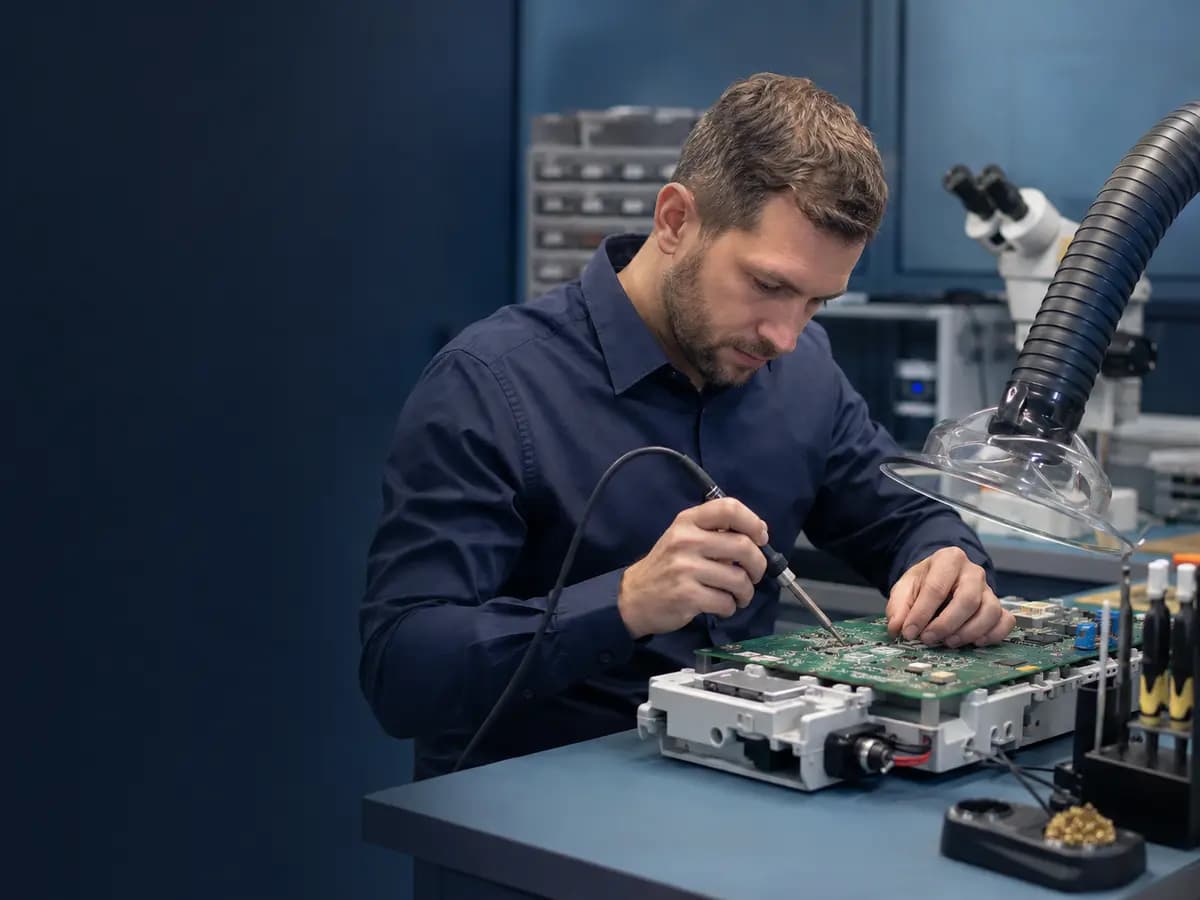
Electronic repairs on modules, boards and components, in a fully equipped laboratory.
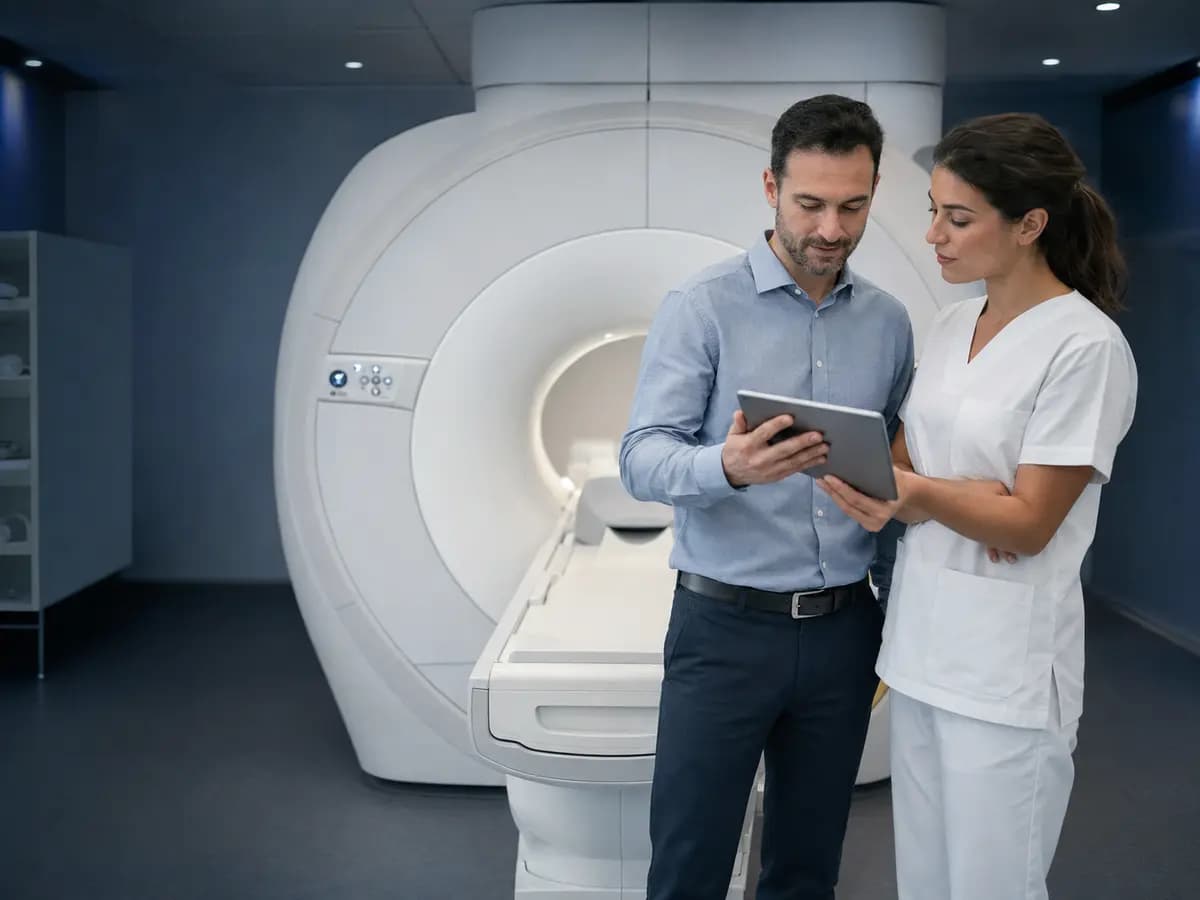
Technical support in fault diagnosis and in the technical assessment of new or used diagnostic systems.
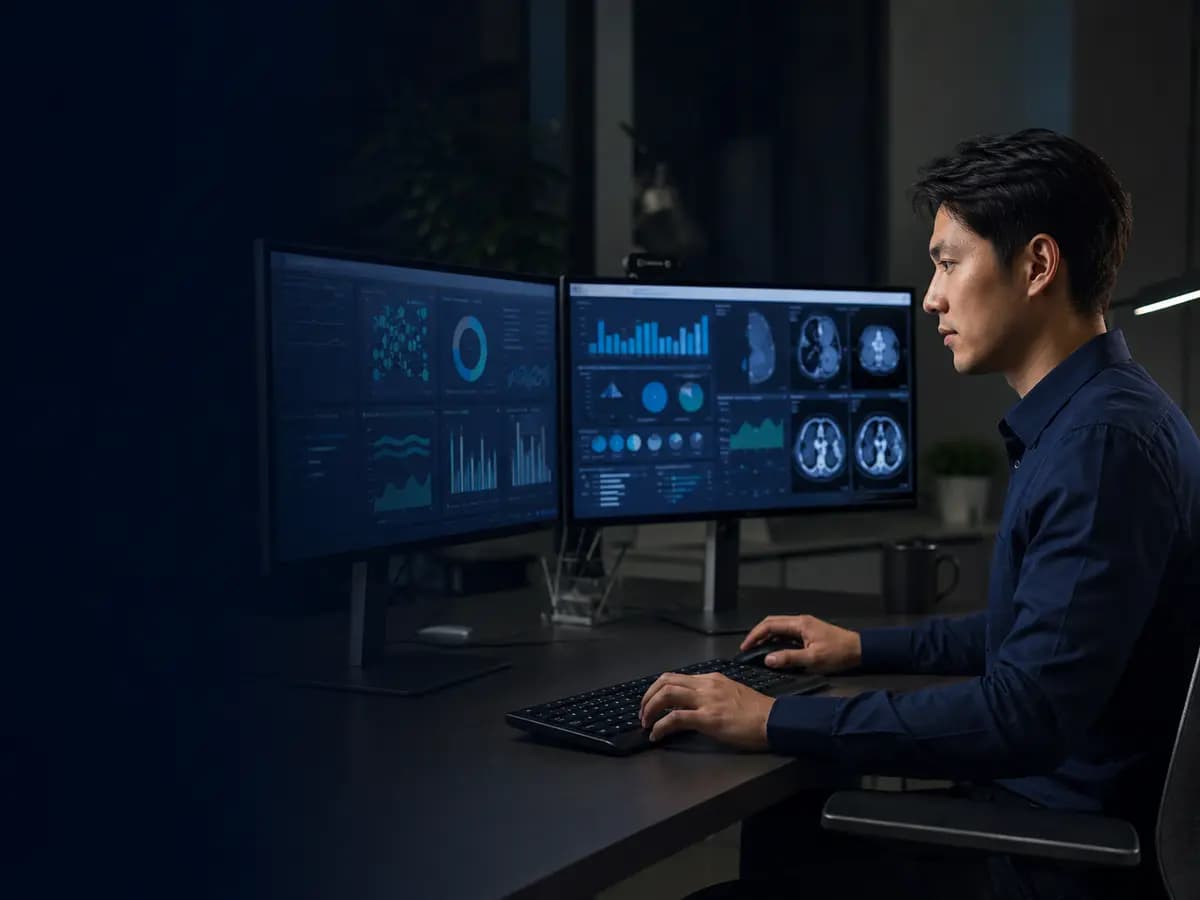
Proprietary software, automation and digital tools developed to support technical activities, data collection, analysis and service process management.
Proprietary software
Tools built on real interventions, not on abstract requirements.
Explore the software solutionsNexus method
Symptoms, error codes, parameters and system behaviour are collected before any hypothesis is formed.
Workload, intervention history and operating conditions help interpret every signal correctly.
Technical experience drives the analysis of signals, history and known cases; digital tools can support the comparison of information and the ranking of fault hypotheses.
Every intervention follows a verifiable sequence: hypothesis, test, measurement and evidence.
Documenting diagnosis, activities and results builds a structured technical history that can be reused in later interventions.
25 years are not a number to display. They are knowledge to use, structure and amplify.
Describe the equipment, its configuration and the symptom observed: this information lets us frame the request before the intervention.