
Preliminary analysis
Symptoms, error codes and operating conditions are collected before any hypothesis.
Specialist technical service
Analysis, fault finding, on-site work and technical support for diagnostic equipment and systems, with a documented approach focused on operational continuity.
Where we start
The assessment starts from what the system is actually doing: reported symptom, error codes, operating context, make and model, location. Those elements decide which checks make sense.
Symptoms, error codes and operating conditions are collected before any hypothesis.
Hypotheses are narrowed down with instrument-based checks, not by approximation.
The activity is agreed: work on the system itself, or repair in the laboratory.
Outcome, collected data and next steps stay written down and available.
We assess each request against the technology, the configuration and the skills it requires.
Capabilities
None of the four is enough on its own: a complex fault gets closed because field work, instruments, laboratory and documentation talk to each other.
Reported symptom, error codes, system behaviour and intervention history are read together, not one at a time. It is the comparison between them that narrows down the causes.
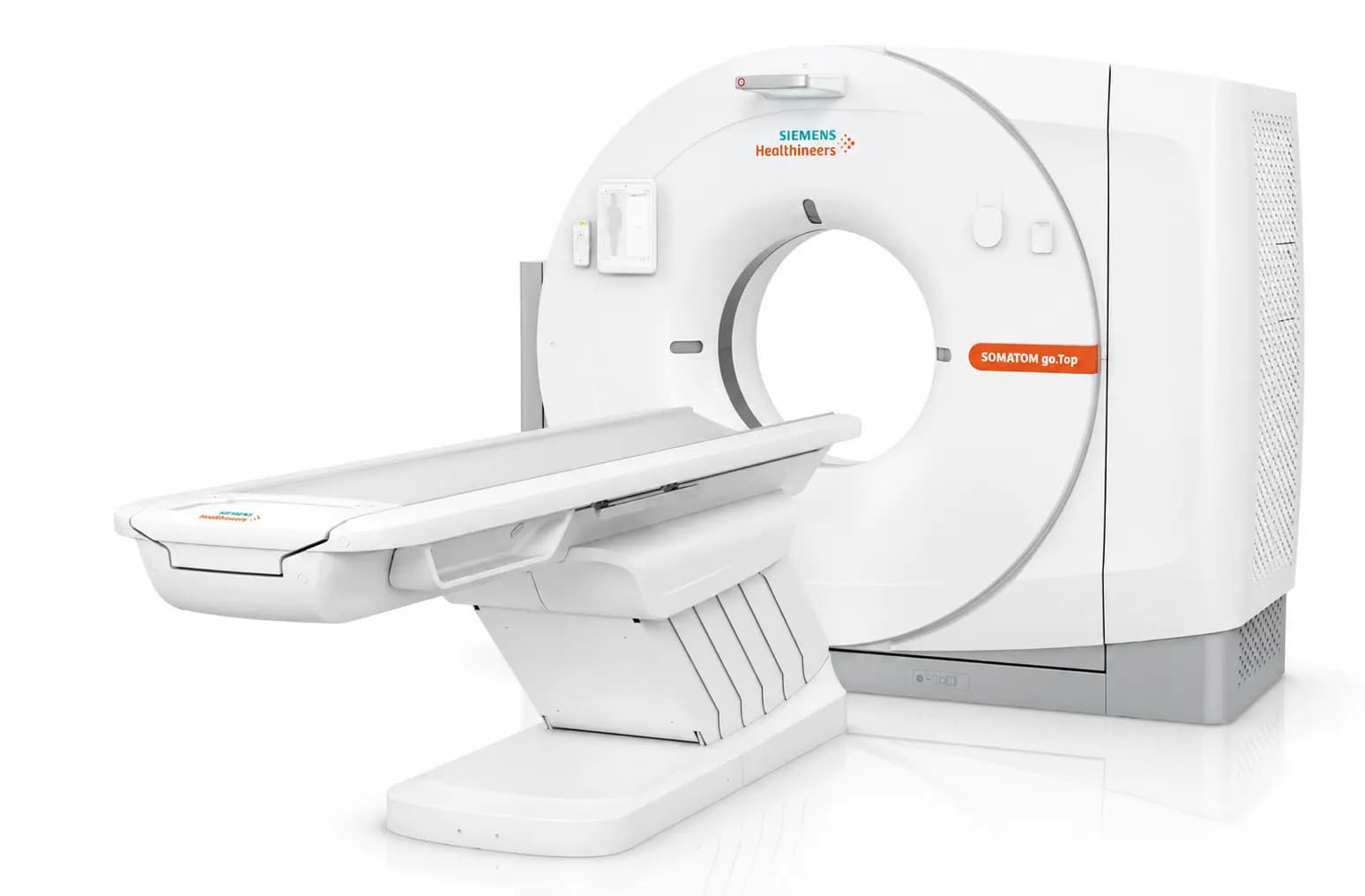
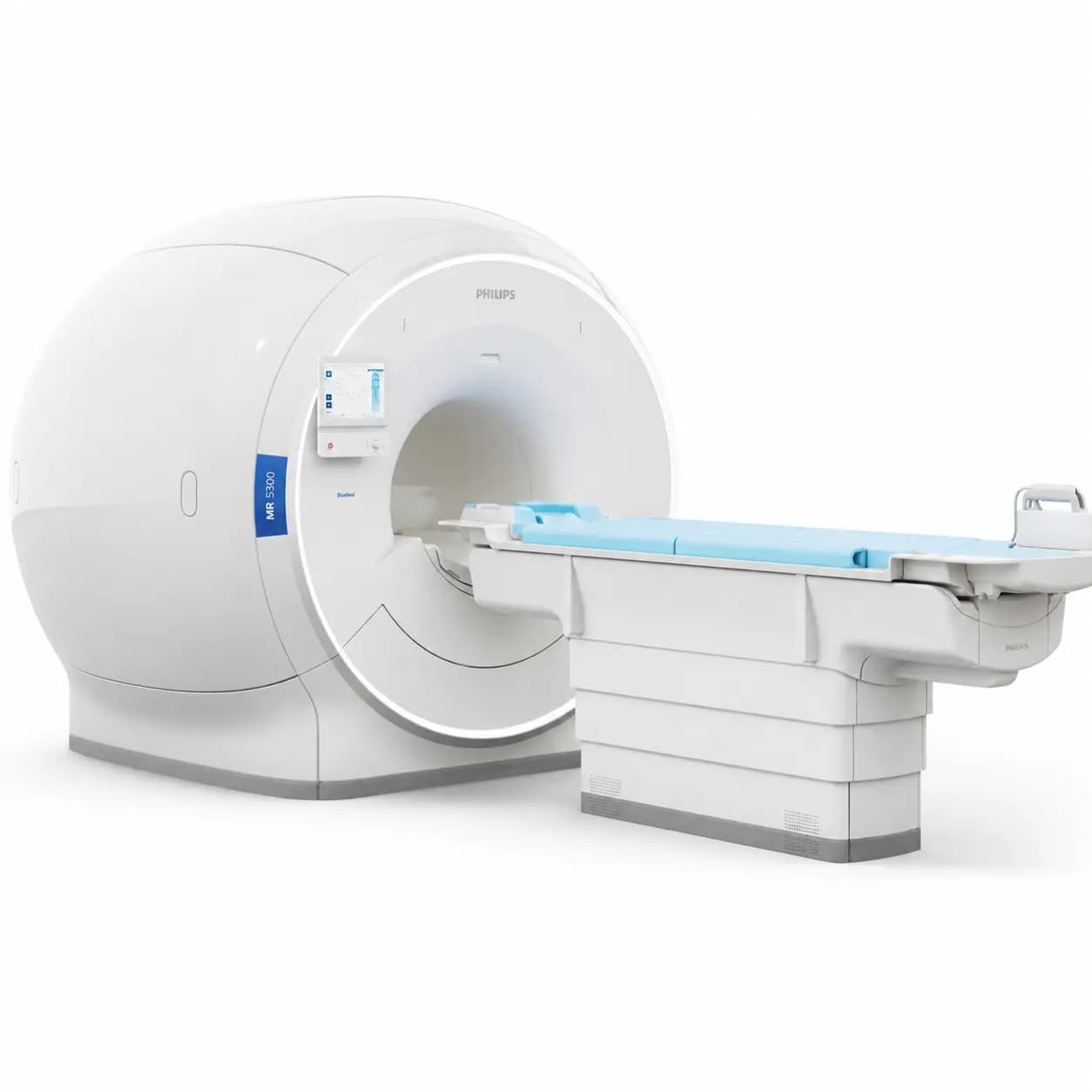
This is where the experience runs deepest: electronics, acquisition chain, artefacts that degrade image quality and magnetic field checks. It remains part of the work, not its boundary.
Checks are carried out with dedicated instruments rather than by assumption. Electrical safety tests accompany the intervention and are documented along with the rest.
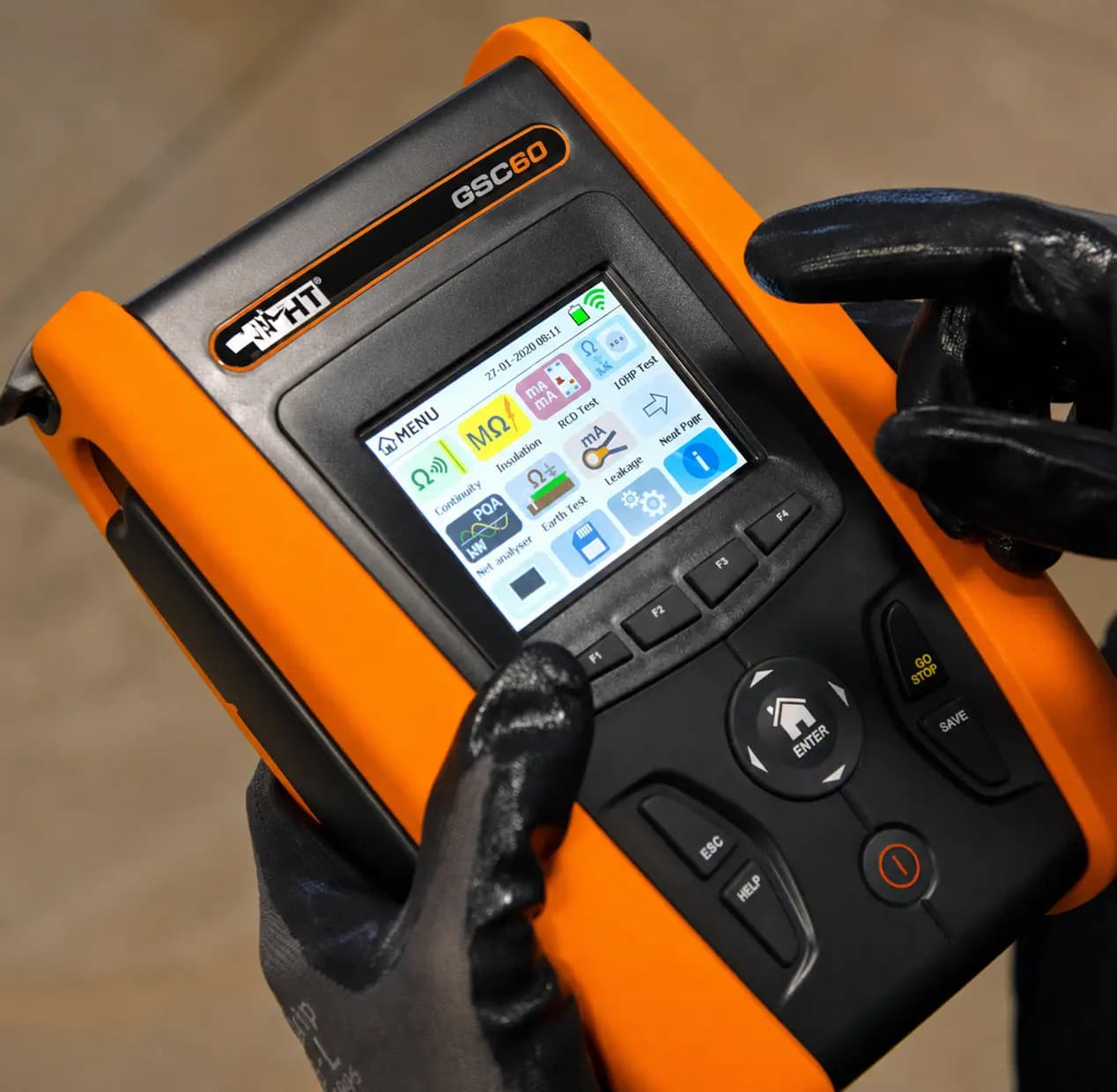
Electronic repairs on modules, boards and components; consulting when a fault falls outside a standard procedure; intervention records that stay available over time.
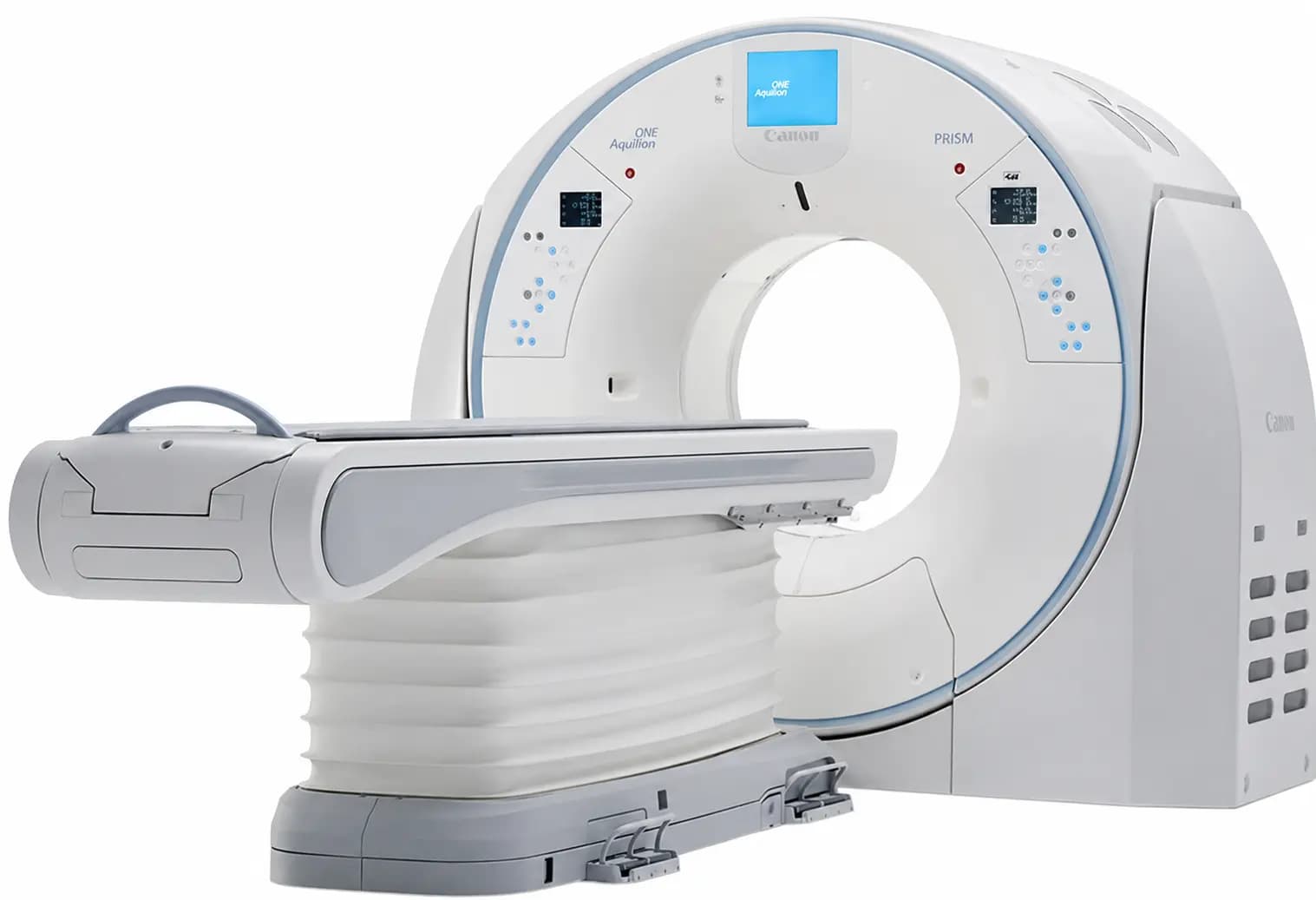
Operating method
Symptoms, errors, model and operating context, collected before any hypothesis.
Priority, feasible checks and the skills that specific case requires.
Activity agreed case by case: on site, in the laboratory or as consulting.
Outcome, collected data and next steps stay traceable and reusable.
An AI assistant configured on the technical domain helps to consult procedures and to correlate symptoms, error codes and system history: the engineer reaches the right hypothesis sooner, with fewer attempts.
AI supports technical fault diagnosis. It does not perform clinical diagnosis, does not decide in place of the engineer and does not replace human expertise: assessment and responsibility stay with whoever carries out the work.
Operational presence
We organise the technical response through distributed operating areas and collaborations activated according to the request, the technology and the location.
Indicative operating areas. Availability and intervention arrangements are defined based on each request.
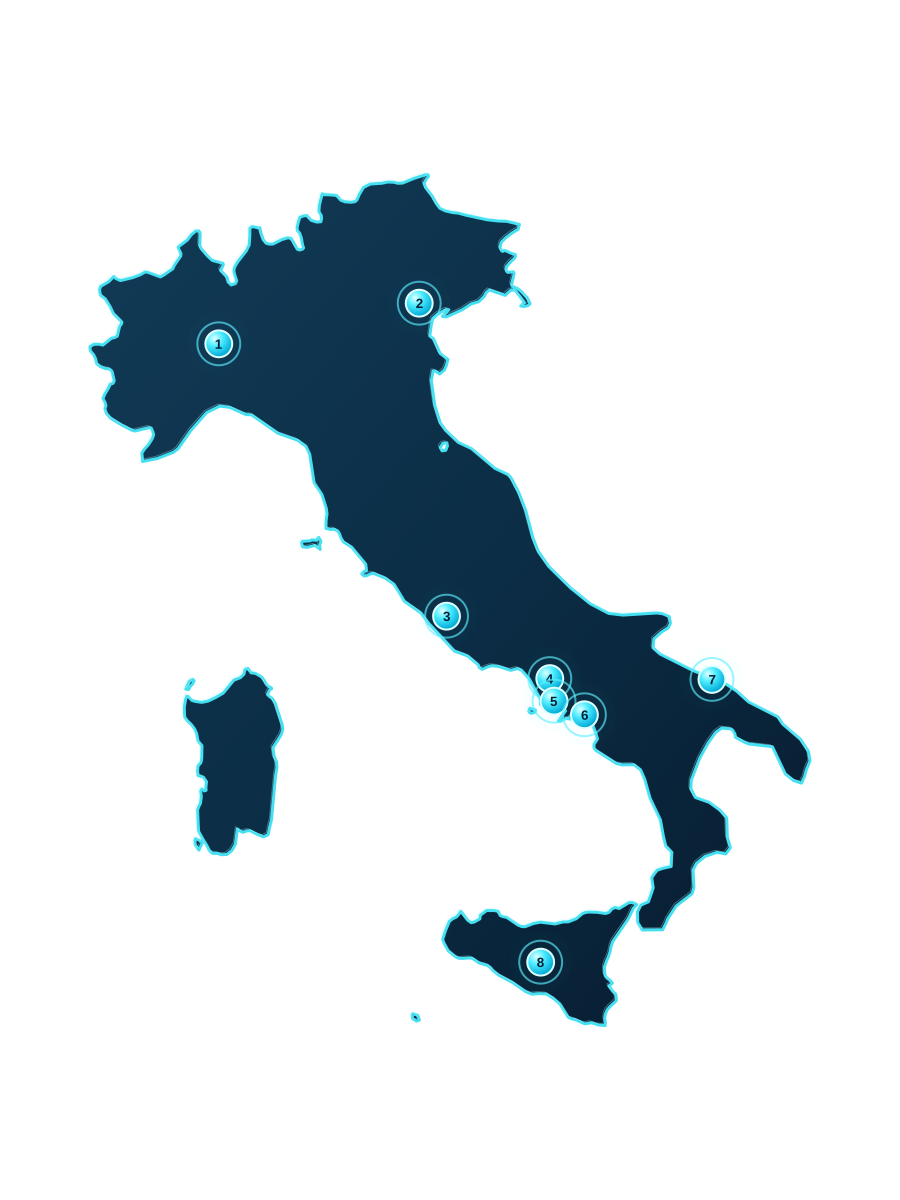
Model, location, reported symptom and error code, when available, are what make it possible to frame the request.